AutoGaatha Original Range Rover GT Global Preview
The Rover That Came Down From the Mountain
Range Rover spent 55 years teaching the world that luxury looks down on it. Its fifth model looks it in the eye.
There is a particular kind of silence that follows a brand doing the opposite of what everyone expected. On July 22, Range Rover produced one.
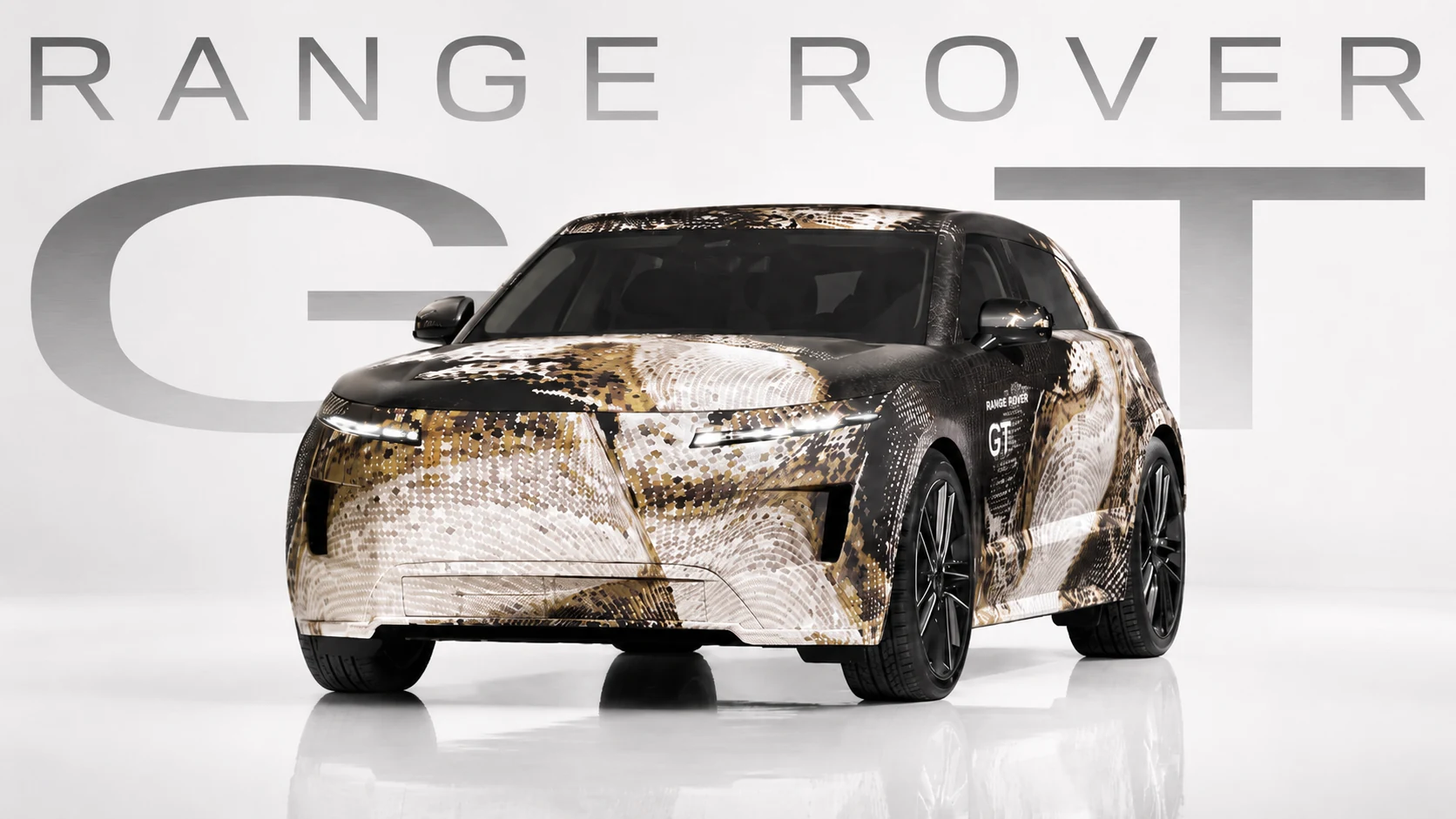
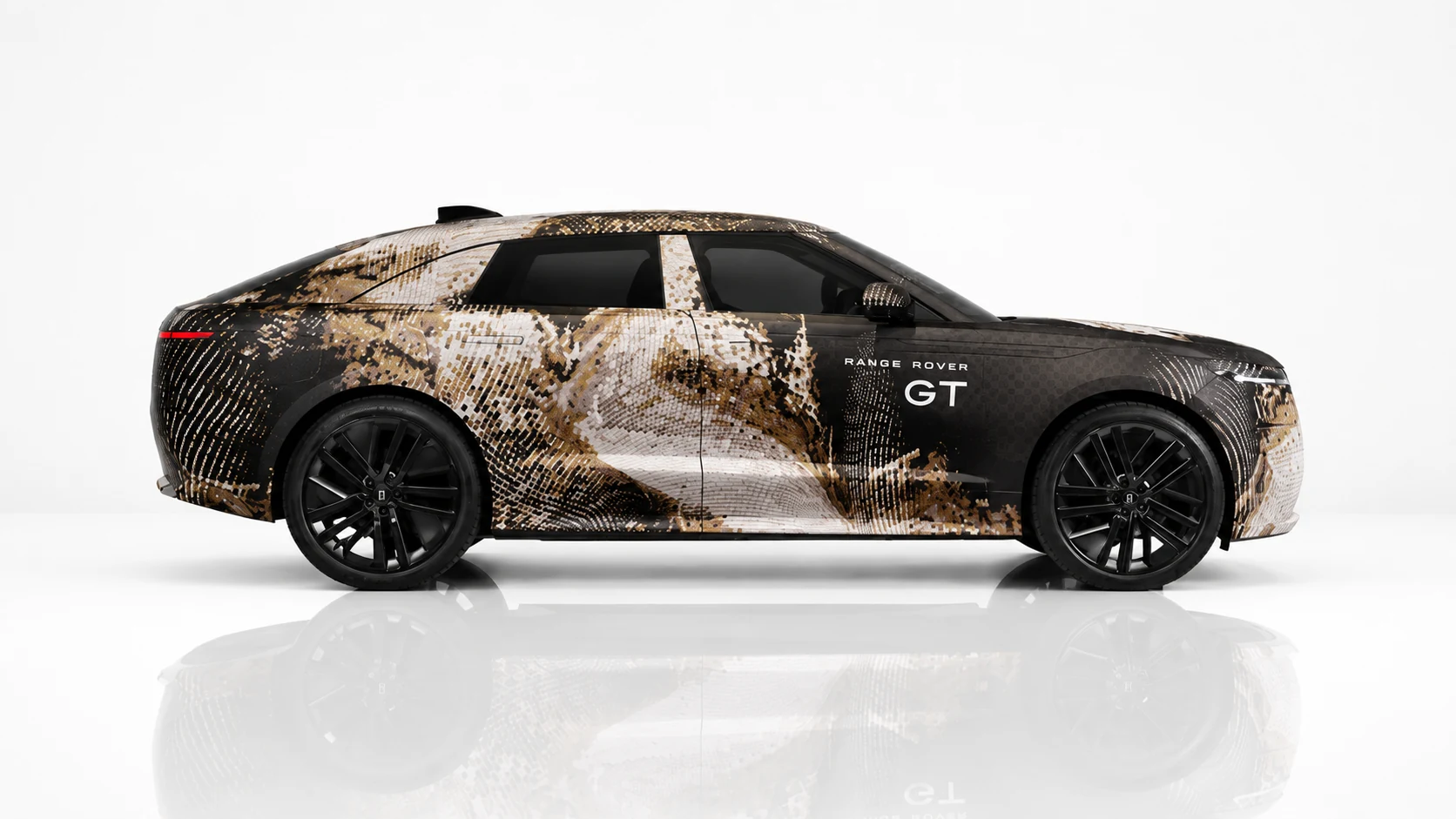
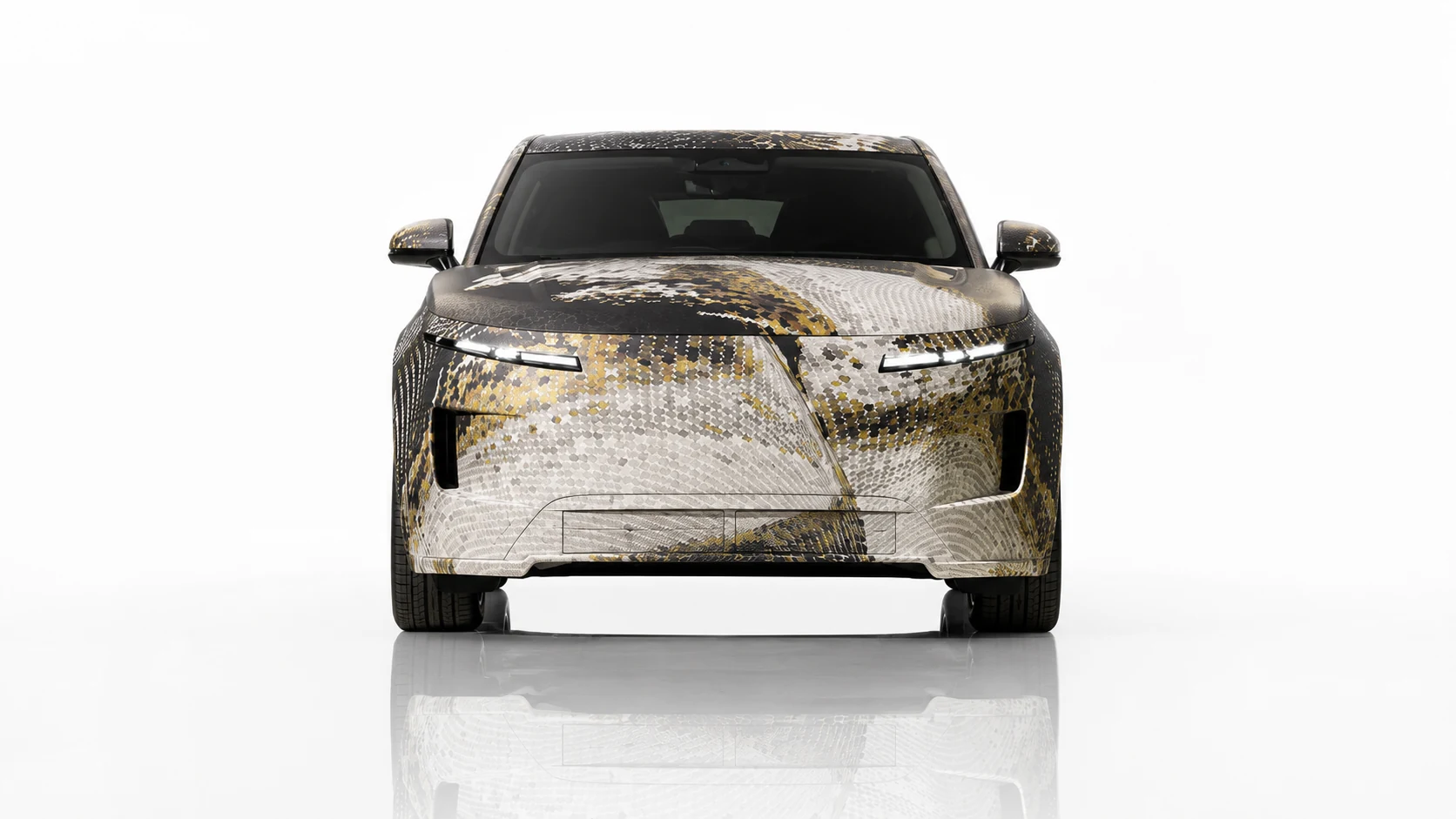
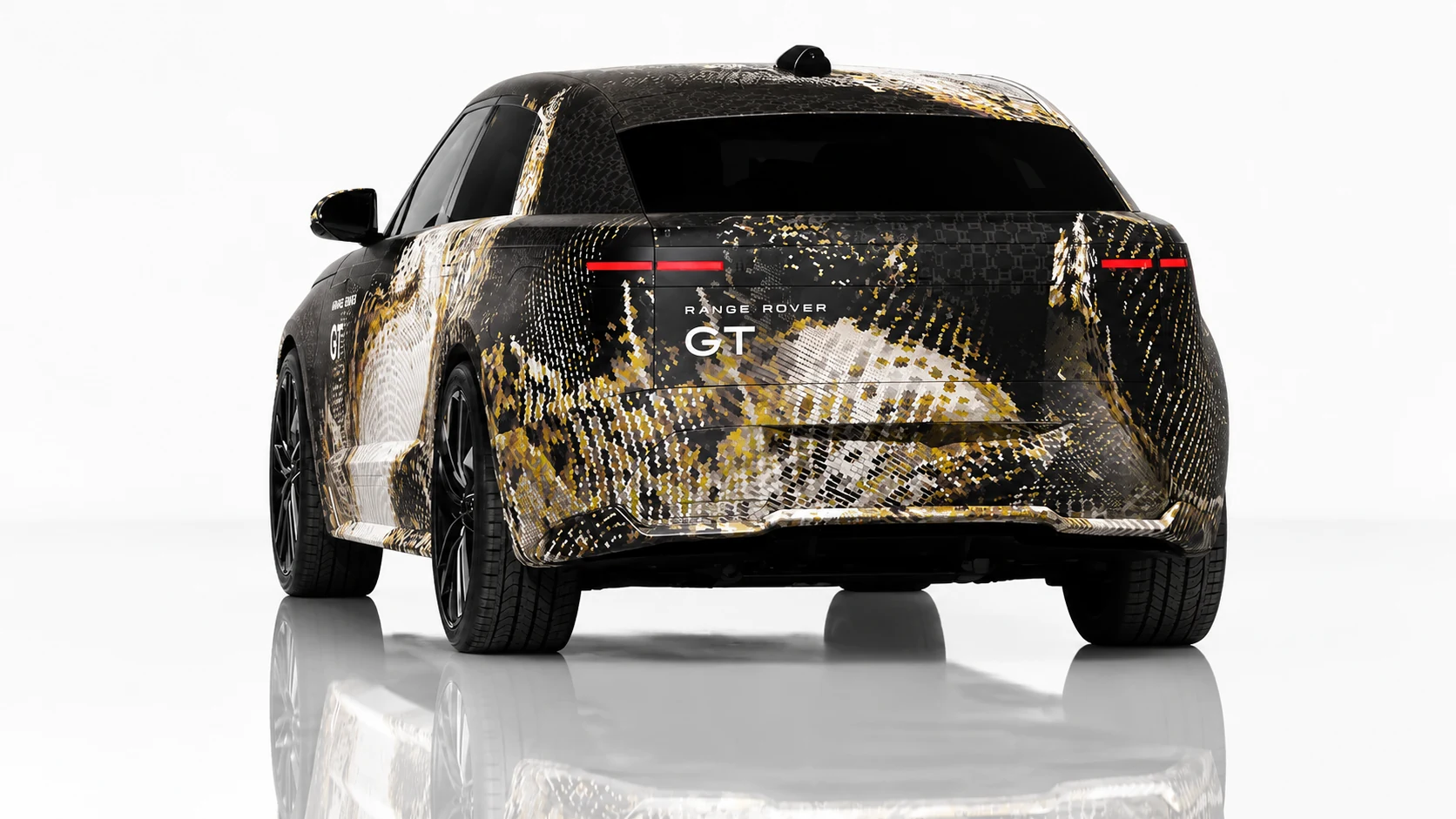
The announcement was short on numbers and long on intent. A fifth member of the family, called simply the GT. No power figures. No range. No price. What arrived instead was a silhouette — low, long, four frameless doors, a roofline that falls away like a coupe's — and a single sentence from the brand's managing director, Martin Limpert, describing it as the most car-like Range Rover ever created, yet unmistakably capable.
“The most car-like Range Rover ever created, yet unmistakably capable.”
Martin Limpert, Managing Director, Range Rover
Read that again, because it contains a small heresy. For over half a century, the Range Rover proposition has rested on elevation, both literal and social. You sat higher. You saw further. The command driving position was never merely ergonomic; it was the product. To now build a Range Rover that deliberately sits lower — lower than an Evoque, while running as long as a Range Rover Sport — is to disassemble the brand's oldest article of faith and rebuild it in a different shape.
A reversal of gravity
The Brand That Invented the Climb Is Walking Down
The rest of the industry has been travelling in precisely the other direction. Ferrari built the Purosangue. Lamborghini built the Urus. Rolls-Royce, having sworn it never would, built the Cullinan. Every sports and luxury marque of consequence spent the last decade climbing upward into the SUV, because that is where the money was and where the badge could be most efficiently monetised.
Range Rover, the house that invented the category and profited from it more than anyone, has just walked calmly down the staircase everyone else was fighting to climb.
That is either a miscalculation or a conviction. The evidence points firmly to the second.
Architecture changes the brief
Electrification Did Not Force the Shape. It Gave Permission.
The GT arrives as the first all-electric Range Rover, riding on JLR's new EMA architecture and built at Halewood, with a full hybrid to follow later in its life. The engineering logic here is unglamorous but decisive: a flat-floor electric platform removes the packaging compromises that made the tall body necessary in the first place.
Ground clearance, all-wheel drive and cabin space — the things that once demanded height — can now be delivered without the same visual mass. Electrification did not force Range Rover into this shape. It simply gave it permission.
The cabin as an argument
Luxury by Subtraction
What the brand has done with that permission is the more interesting story.
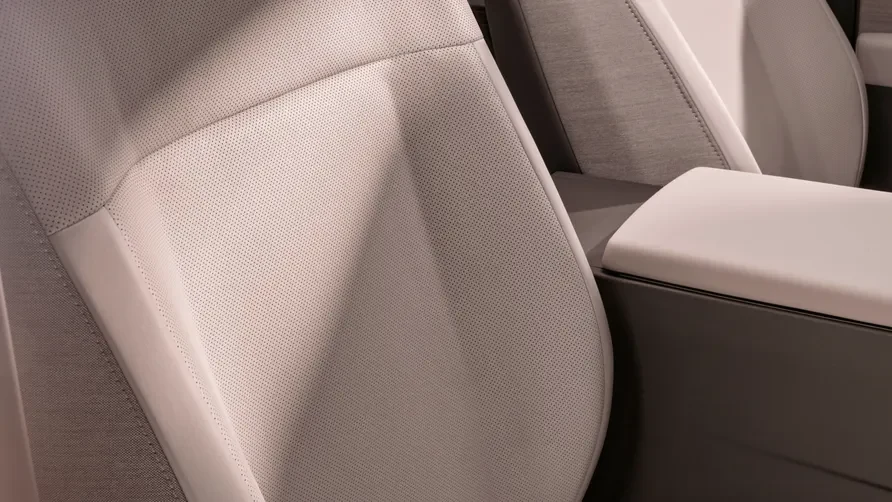
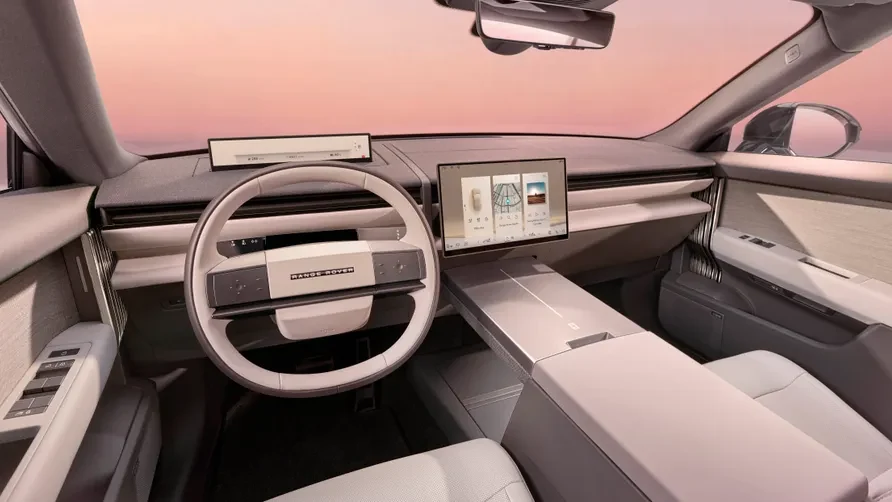
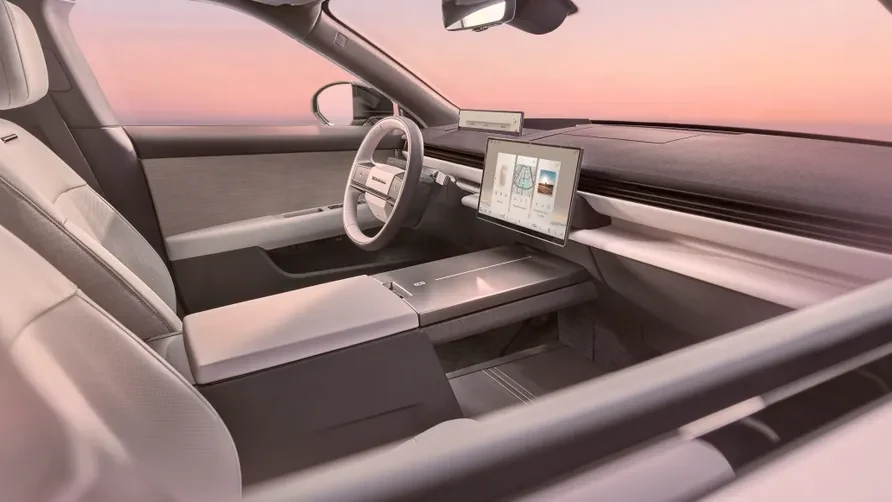
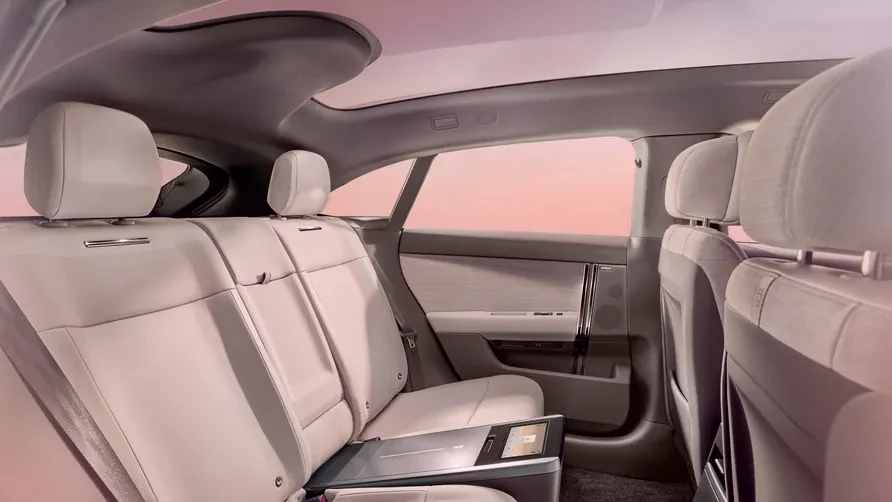
The interior — the only part of the car revealed in full so far — has been designed under what Range Rover calls reductive principles. A single screen paired with a driver display replaces the conventional instrument cluster. A concealed air vent runs the full width of the cabin, preserving the horizontal graphic that has anchored Range Rover dashboards for decades.
A woven textile wraps the fascia in one continuous gesture and hides the speakers inside its own weave. The stated ambition is reduced visual and acoustic noise.
Minimalism is not being used as an aesthetic. It is being offered as a service.
What remains unknown
The Missing Numbers Are Part of the Story
Range Rover has not yet disclosed the figures that will eventually determine the GT’s commercial position: battery capacity, driving range, output, charging speed, price and final production timing. The prototypes are still completing global testing, with further details promised later in 2026.
That makes confident price predictions premature. It also means the most important questions remain open. How much all-terrain capability survives in the lower form? How will the GT balance rear-seat comfort with driving engagement? And where will it sit beside the conventional Range Rover Electric and JLR’s reborn Jaguar grand tourer?
Those answers should be judged when Range Rover publishes the specifications, not before.
The India question
A New Body Style for a Badge That Already Means Arrival
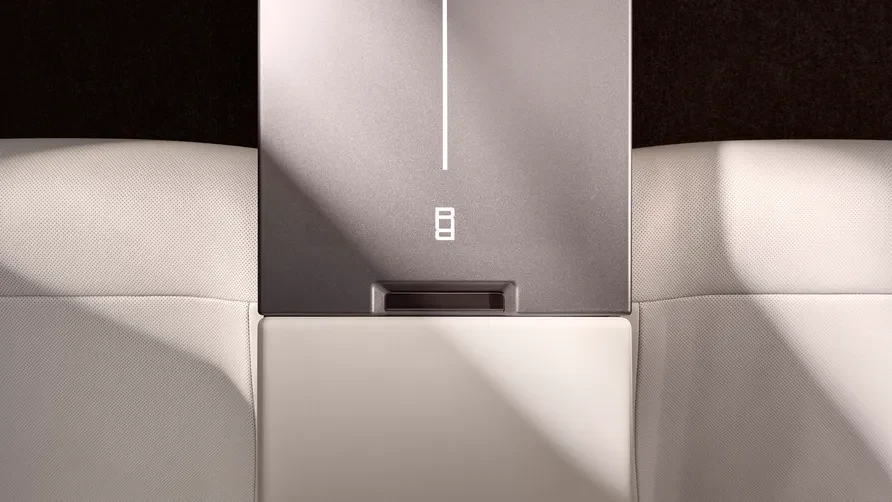
One confirmed detail deserves more attention: Range Rover is promising class-leading second-row legroom. That decision broadens the traditional grand-tourer brief.
Range Rover occupies a peculiar position in India — a brand whose equity substantially exceeds its volume, the default vocabulary of arrival for a generation of Indian wealth. Its problem has never been desire. It has been that every Range Rover was a variation on the same idea.
The GT gives the marque something it has never possessed here: a body style that competes for the buyer currently choosing between a Panamera and a German electric flagship, without asking that buyer to give up the badge that actually means something at the gate of a Gurugram farmhouse.
JLR India has confirmed nothing. But a car this deliberately proportioned for chauffeur-driven markets does not get engineered by accident.
The larger point
Every so often a legacy brand is handed a technological reset and does something predictable with it — the same car, electrified. Range Rover has been handed one and used it to interrogate its own founding assumption. Whether the GT succeeds commercially will depend on numbers nobody has seen yet. Whether it matters does not.
Fifty-five years ago, Range Rover's radical idea was that a working vehicle could be luxurious. Its radical idea now is that a luxurious vehicle no longer needs to be tall to be commanding.
The mountain, it turns out, was never the point.
The view was.